Blog

  • Spring + Summer Book List

    Spring + Summer Book List

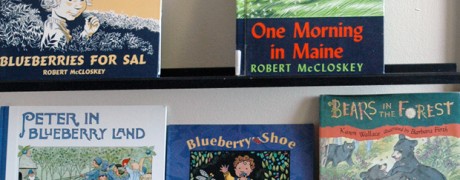
    Growing, cooking, and eating good food is a huge part of our family’s life. Another passion of ours is reading – we read when we wake up, we read throughout the day, and we read each night before bed. Our children often find some books, pull up their chairs and ask if it’s ‘Tea and Story Time’ yet, one of our favourite combinations of our two shared passions of food and written word.

    Helping our children understand the importance and honour of eating local, organic food from farmers we often know and love is something we as parents take seriously. Creating an environment rich with books about food, farmers, gardening and other food related topics helps us accomplish this goal. Open the PDF book list to check out some of our family favourites.

    Not all the books are about healthy, local food, but they can serve to spark a discussion about these things and deepen the connection to the natural world.  Have you read any of them? If so, share your thoughts in the comments – and add your family favourites as well!


    This post has been shared at Thank Goodness It’s Monday at Nourishing Joy.

  • Simple Summer: Mini Farmer’s Market

    Simple Summer: Mini Farmer’s Market

    Passing on the skills of growing and preparing food to our children is such a privilege and joy – not to mention an important step in the path to their future self-sufficiency. In these summer months the kids love being a part of caring for the garden, from preparing the garden and planting the seeds, to harvesting the fresh, intensely flavoured fruits and vegetables.

    How can we keep our little ones interested in learning about food? The answer is pretty simple. Make it fun.

    market-bros

    We’re all familiar with lemonade stands and this idea adds a twist – invite your children to harvest some garden produce and create their own mini farmer’s market (just don’t call it “mini” in front of them – this is their very own business venture!). If you’re rurally based, just head over to a friend or relative’s place – or work with your children to organize a market at your local community centre or town hall with their friends.

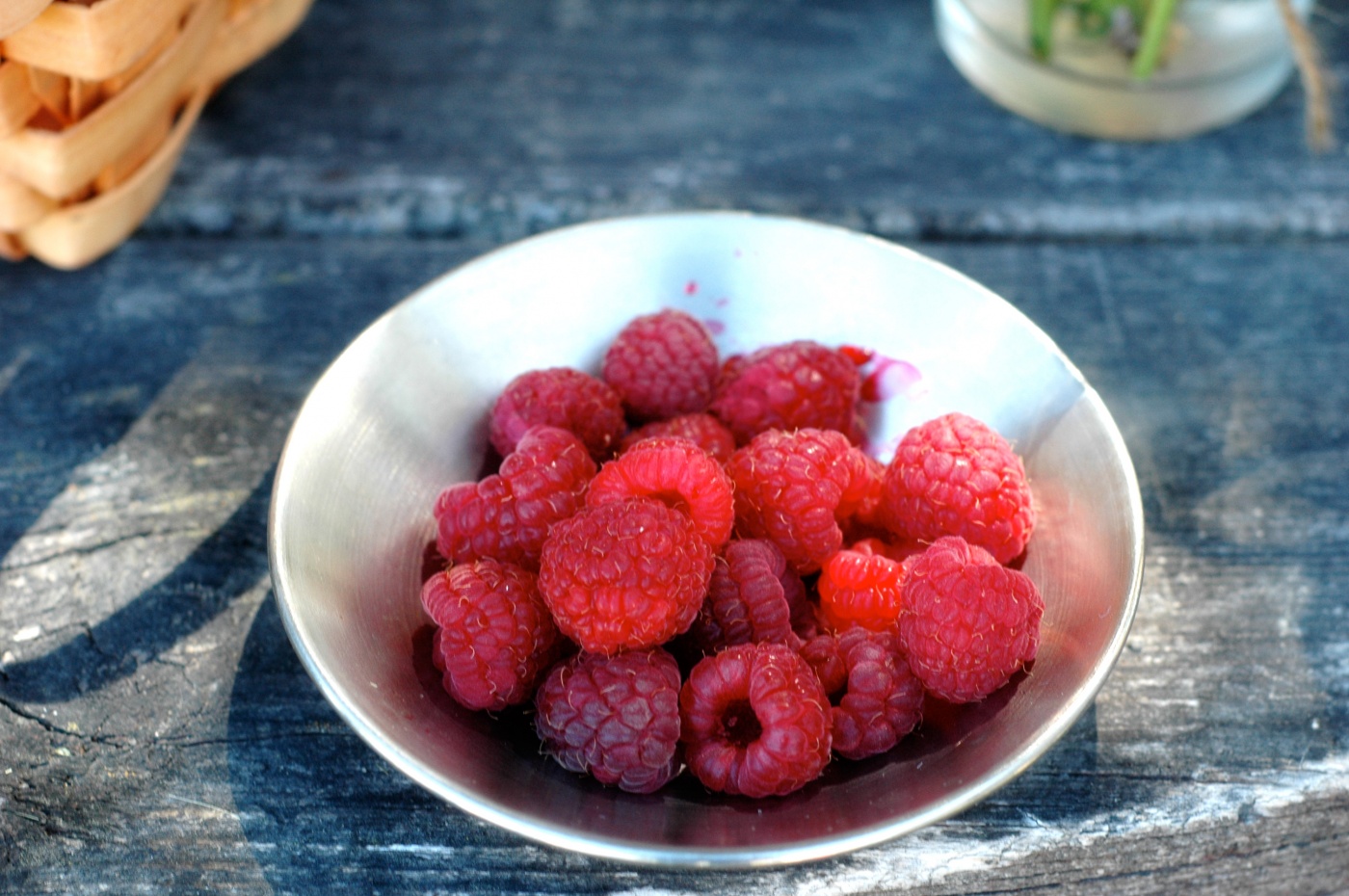
    raspberries

    MATERIALS:

    • garden produce
    • scissors for harvesting
    • baskets for collecting and for display
    • table and chairs
    • umbrella for shade, if desired
    • wagon, to make a traveling farmer’s market
    • chalkboard or sign making materials
    • small float of change
    • camera to document all the fun, if the kiddos want to
    • err, grandparents, aunts, uncles and the like – given a head’s up just in case business is slow


    The rest is really self explanatory, yet remember: your job is to facilitate and try to bite your tongue when they want to sell a single shell pea for a dollar. This is a learning experience for them, not only to nourish those roots of a love for growing food, but in marketing, sorting and counting money, assigning value to items, teamwork if you have more than one child, and so much more. At the same time, we all know that sitting around and not making sales is no fun – if business isn’t going well after a while, offer up a gentle suggestion that lowered prices or even a “buy one, get a dozen free” special on shell peas might help.

    grandpa-at-market

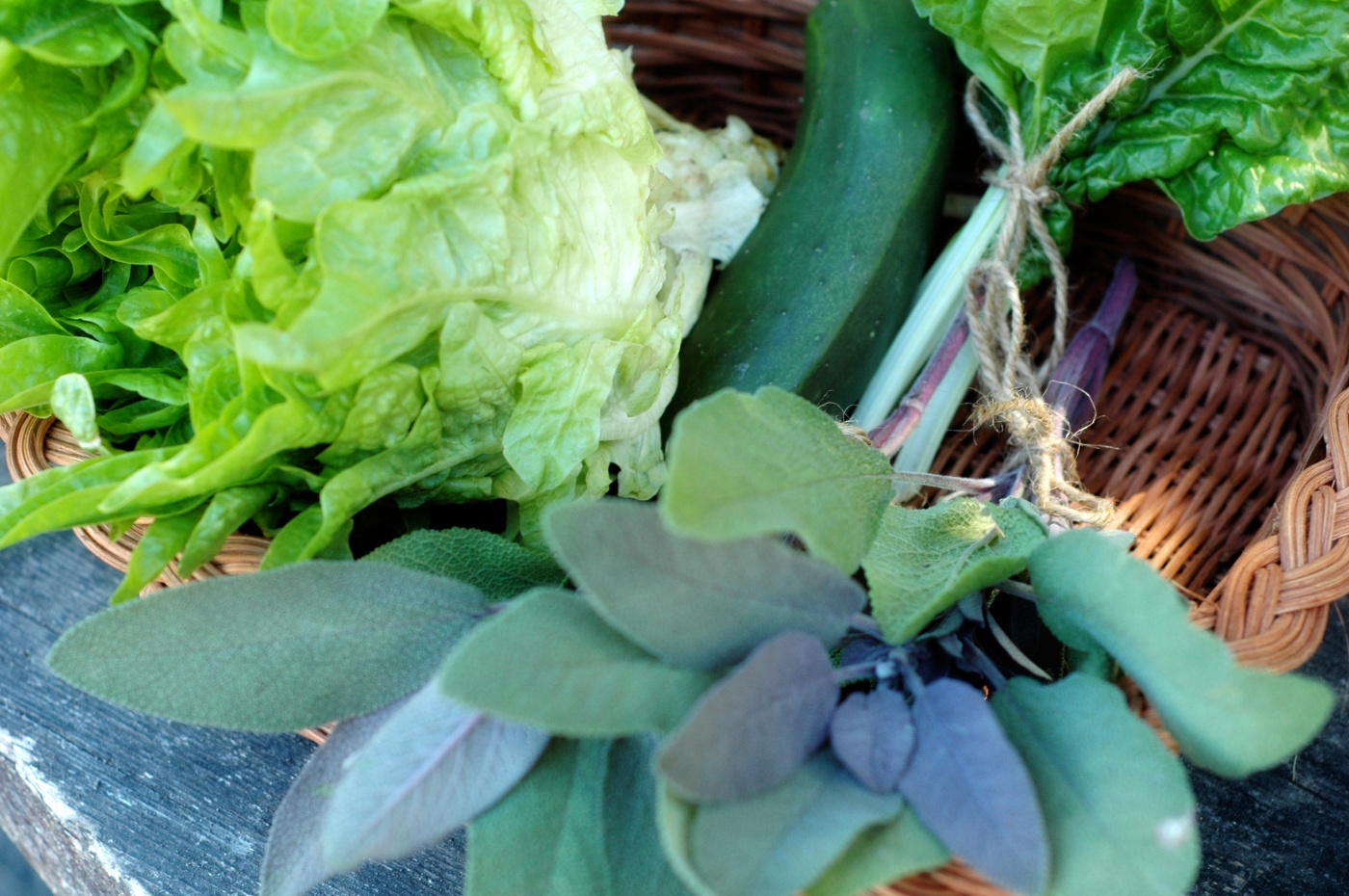
    boquets-for-salegreens-and-herbsHave fun with your market – please do share a link to your photos in the comments!

    simple-summer-farmer-market

    This post has been shared at Thank Goodness It’s Monday at Nourishing Joy and featured as most popular post.

  • Fermented Chard Stalks

    Fermented Chard Stalks

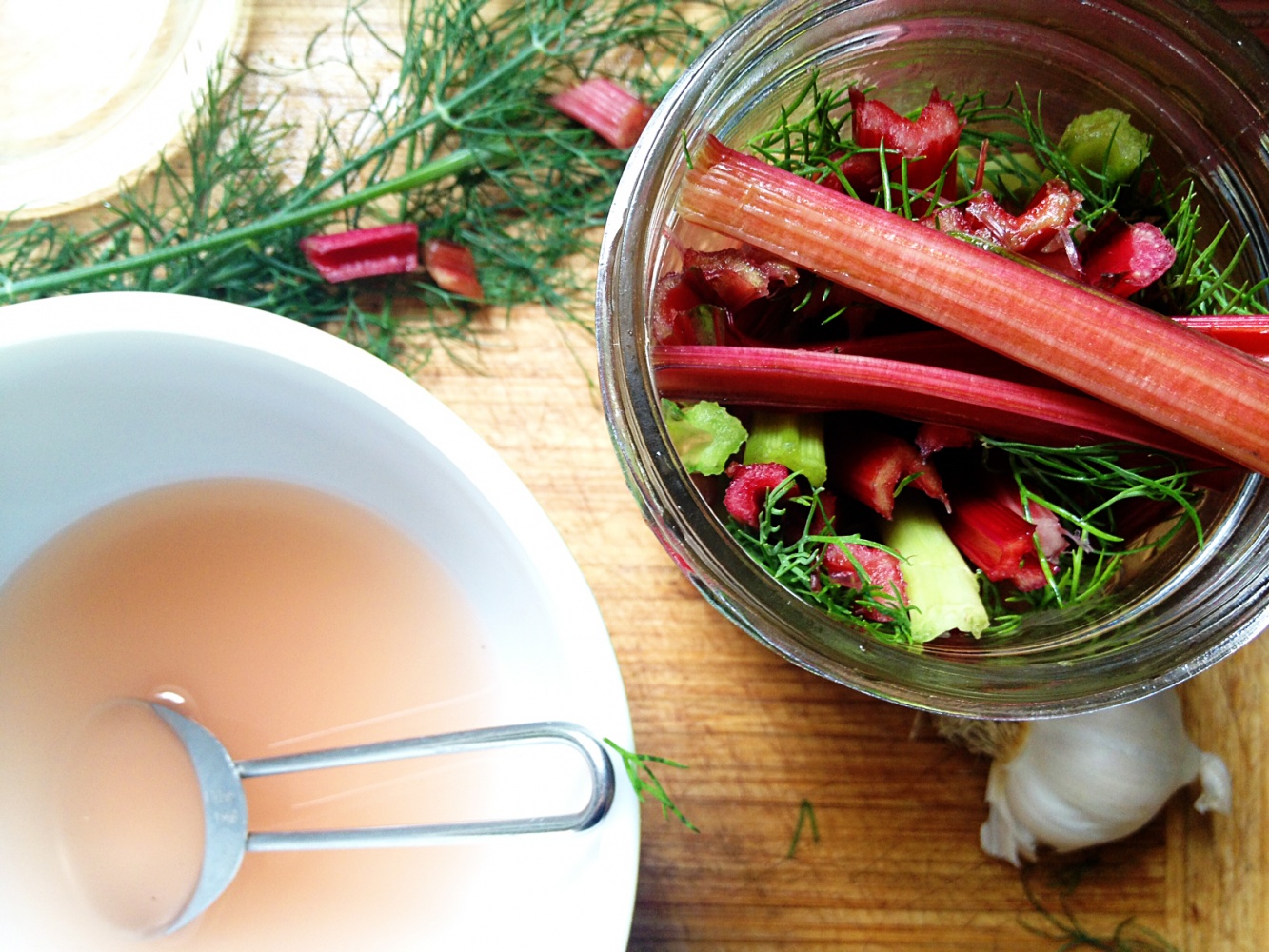
    Today as I was harvesting swiss chard from the garden, the idea to pickle the stalks struck me. Thanks to the wisdom of my dear friend, Adrienne, I remembered that you can really ferment just about anything. I cut off the stalks and set aside the leaves to freeze for smoothies, omelettes and casseroles, and set to work experimenting with my first jar of fermented chard stalks.


    How to Make Fermented Chard Stalks

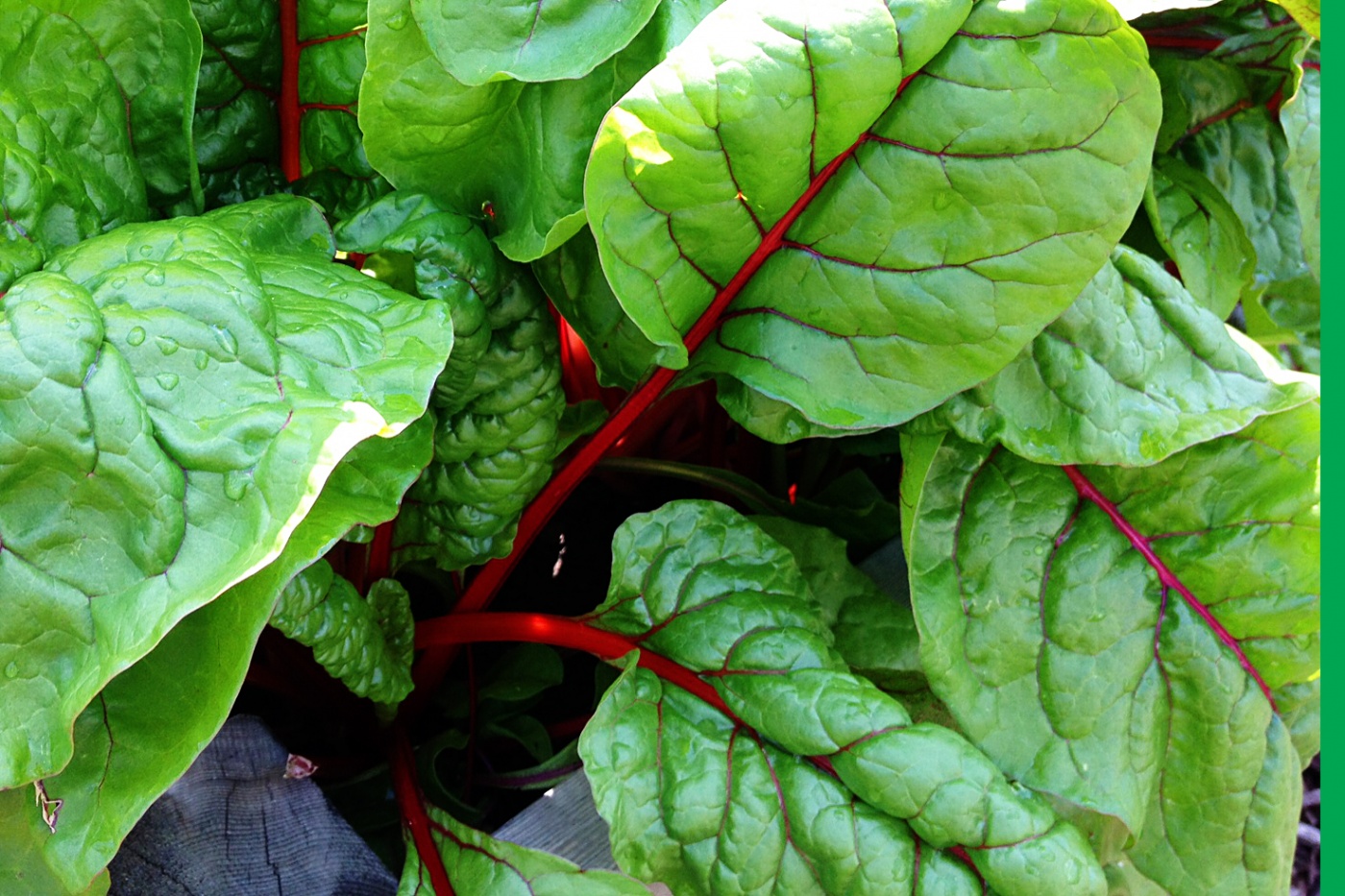
    chard leaves

    1. Wash and cut the stalks so they will fit into your clean 500ml (2 cup) canning jar.

    2. Toss some garlic, dill, and a bay leaf into the jar. You can play around with seasonings and add really any flavours that you and your family enjoy.

    3. Stuff the chard stalks into the jar. Pack them in. One of Adrienne’s tricks is to reserve some pieces to lay across the top to keep the other pieces from floating up and out of the brine (I ran out of stalks, or this jar would be way more packed than it is).

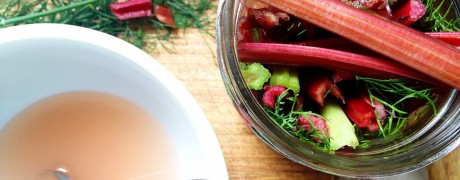
    chard stalks salt water

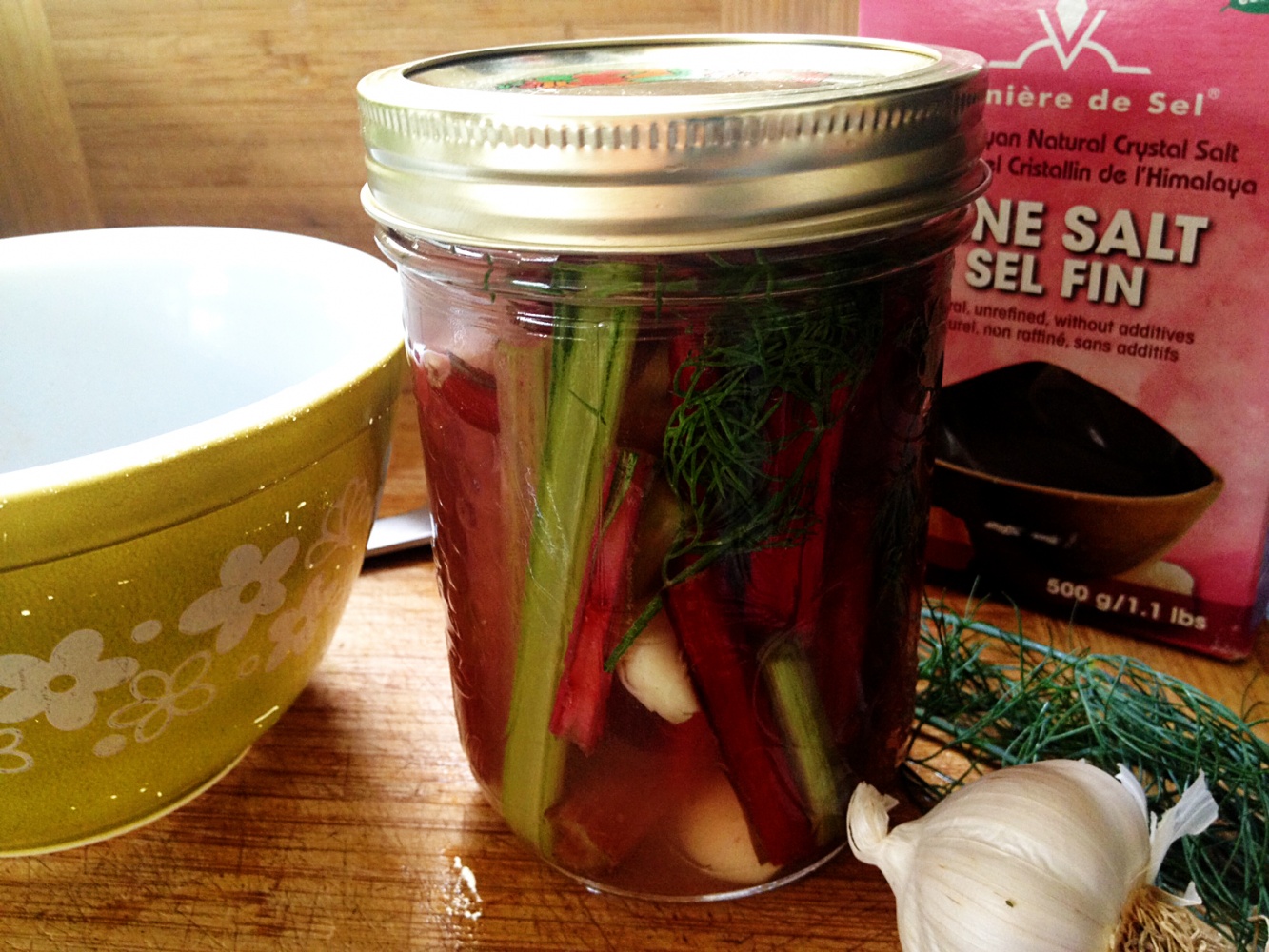
    4. I made a whey-free version, simply because I didn’t have whey on hand. To do this, mix 2 tbsp sea salt with 1/2C water. Pour over the stalks. Add water to cover, leaving one inch of air space at the top of the jar.

    5. Screw the lid on tightly and set aside for 3-7 days. I like to put a tray with a lip underneath to collect any potential leaks.

    6. After 3-7 days, place into cold storage. Whey free ferments are saltier, so Adrienne recommends leaving them in cold storage for as long as four to six weeks to develop tasty flavours and diminish the saltiness.chard stalks final


    To learn more about fermentation (and how to make whey based vegetable ferments, among many other things), check out Adrienne’s latest course, Traditional Wisdom Modern Kitchen. It’s a game changer.


    This post is a part of Natural Living Monday Natural Link Up at Modern Alternative Health,  Thank Goodness It’s Monday at Nourishing Joy,  Fight Back Fridays at Food Renegade and Unprocessed Fridays at Girl Meets Nourishement.


  • How to Make Garlic Scape Pesto

    How to Make Garlic Scape Pesto

    Hardneck garlic varieties are hardy and bestow a special treat – they produce flower stalks called scapes that are lovely in many recipes.

    We make pesto with scapes that are harvested from our garden – this is the time (early to mid July for our plants) to harvest scapes. Harvesting them rather than leaving them allows the plants to put energy into developing nice healthy bulbs.

    Kids will love to help harvest garlic scapes because of their curly shape. They can be worn as bracelets while harvesting and carrying inside to cook!


    NUTTY GARLIC SCAPE PESTO
    Makes 1 cup

    Ingredients

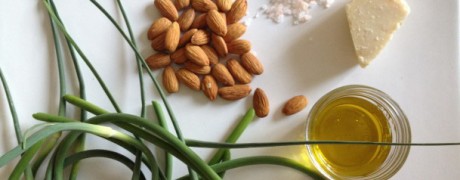
    • a dozen garlic scapes, finely chopped
    • 1/2 cup finely grated Parmesan
    • 1/3 cup raw almonds, walnuts or other nuts (we love Real Raw)
    • 1/2 cup unrefined extra virgin olive oil or unrefined coconut oil (more or less to desired texture)
    • unrefined sea salt, like redmond real

    Instructions

    Toss those curly scapes into the blender along with the parmesan, nuts, and half of the oil. Blend thoroughly. Now drizzle in the remaining oil while blending until you reach your desired texture.

    Enjoy your pesto fresh or freeze it for a few months and use when desired.


    Other Ways to Use Garlic Scapes


    What is your favourite way to use garlic scapes? Tell us in the comments.


  • This Moment

    This Moment

    “A Friday ritual. A single photo – no words – capturing a moment from the week. A simple, special, extraordinary moment. A moment I want to pause, savor and remember.”

    {joining Soule Mama today}

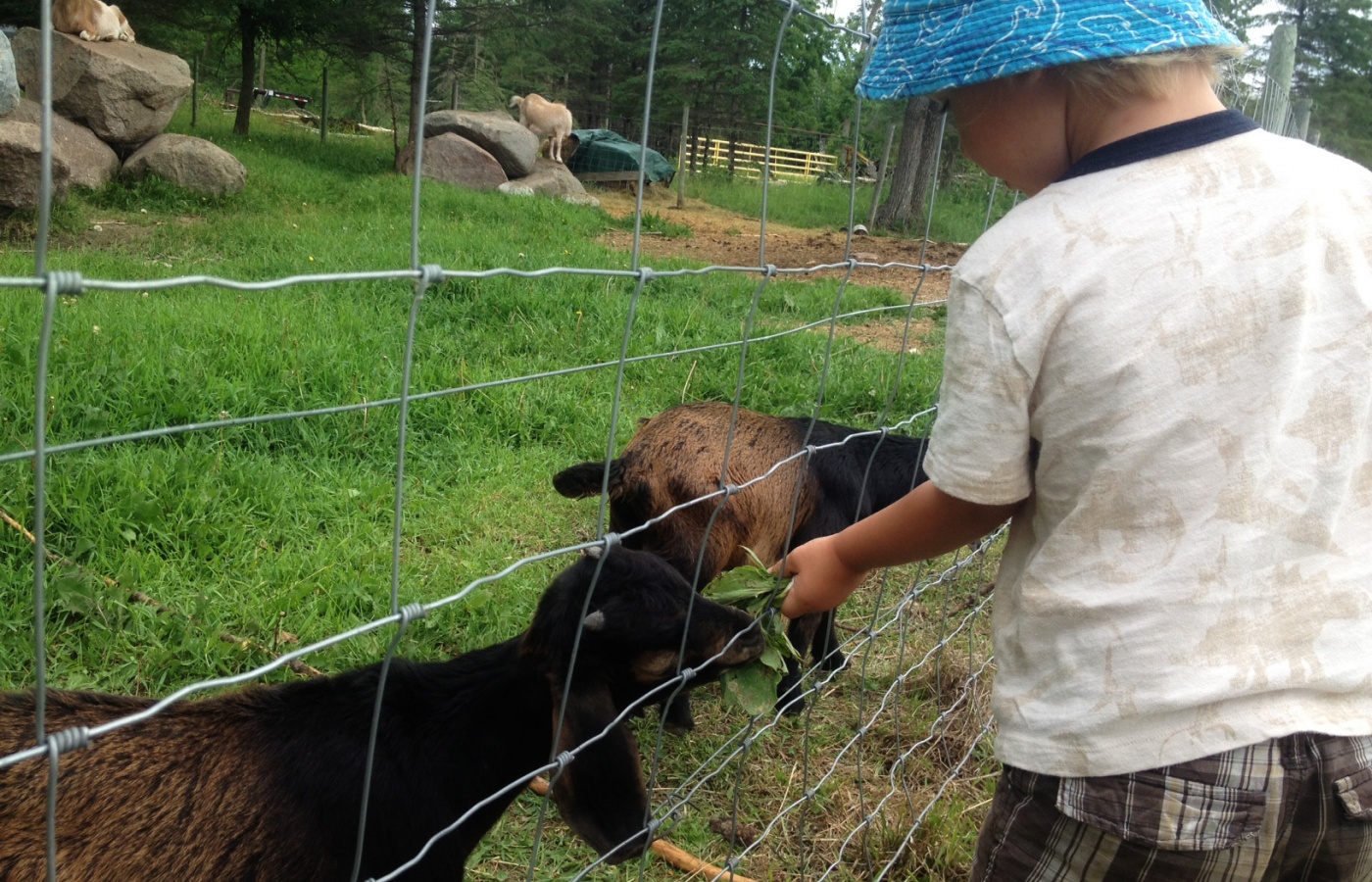
    If you’re inspired to follow along, please leave a link to your moment in the comments!visiting-the-goats-2

  • This Moment

    This Moment

    “A Friday ritual. A single photo – no words – capturing a moment from the week. A simple, special, extraordinary moment. A moment I want to pause, savor and remember.”

    {joining Soule Mama today}

    If you’re inspired to follow along, please leave a link to your moment in the comments!


    this-moment

  • This Week in the Garden

    This Week in the Garden

    Just a few photos of the urban garden this week as we were busy farm sitting and tending to the rural garden out at the farm. See last week’s garden to get an idea of what we have growing. We’re joining Soule Mama for this fun weekly feature! Please feel welcome to share what’s growing in your garden by posting a link in the comments…

    It was lovely to come home to lots of fresh, deep red strawberries for little hands to pick, and to see how alive it all seemed. Being in the garden makes me feel so alive with the smell of soil, the freshness of dew, the insects working away… and the kids carefully inspecting each area of the garden to find what can be harvested.

    farm-garden
    Four out of our crew of six tending the garden where we were farm sitting. It is so nice when everyone and everything falls into place – each with his or her own important work to contribute to the overall rhythm of the day.  The oldest pulling weeds, and the littlest ones collecting the weeds and hauling them out of the garden. All six of us occupied with meaningful work, taking part in growing the food that will nourish our family and others.


    Our urban garden…

    beetsBeets are coming along, with some tiny carrots (experiments with seeds of years ago) straggling alongside. More carrots were planted over by the tomatoes and cukes. Red Dragon carrots are the carrot of choice for six year olds, I’m told around here.


    peas-&-lettuceA row of pretty lettuce is getting ready for salads. We planted some more to have a continual harvest, unlike last year, ahem, when I planted a full 2×8 garden box in lettuce and it was all ready at once. Live and learn, I guess! That is the nature of gardening.


    spinachThis spinach was photographed right before it was added to one of our favourite dishes – a meal we had several times at a very special little restaurant when we lived in Guatemala. We call it Blue Angel Skillet – sauté onions and cubed potatoes in olive or coconut oil, add diced tomatoes, followed by spinach and topped with grated cheese. There is no more specific recipe, but I promise it is delicious. Add whatever seasoning you’d like – we stick with a simple sprinkle of salt and pepper.


    strawberries-plateI do believe when we’re at the farm, we’ll have a strawberry patch the size of our entire current garden. These sweet bursts are gone almost as soon as they are picked! Two different varieties grow in our patch – one that has come with us from our previous home – a common ever-bearing variety, though I don’t know the name. The other is an eye-catcher called Fragoo Deep Rose, with deep pink blossoms and more elongated berries.

  • How to Have a Successful Nature Walk

    How to Have a Successful Nature Walk

    In recent years, the importance of children spending time in nature has emerged in books, articles, and documentaries. What seems obvious to children, who yearn to squish their feet in the mud, splash in puddles, climb trees and run freely, is now one of those things that has been lost in the generation gap, along with various facets of a self-suffient lifestyle.

    Aside from the most challenging time of year (-40 celsius), we try to get outside each day for even a brief foray into the natural world. In our cold winter months, our backyard counts as the natural world, as we play in the snow, watch the birds, gather pine cones, cozy up in snow forts, and watch our breath drift away from our bodies. I can’t stress enough the importance of high quality snow and rain gear! In the warmer months, however, nature walks are a part of our daily rhythm.

    tree-bird-watching-eth

    So, how do our nature walks look?

    PREPARED

    We get out our handy nature walk checklist (see below to download) and get to work preparing. We pack up some tea, cocoa or water, some stainless steel or camping cups (to avoid breaks), and some snacks. A light blanket is a must to make a special spot to sit and snack, to lie down for a rest, or to sketch in our nature journals, another key item we pack. We don’t need a lot of gadgets for a successful nature walk, but it’s no fun to be a fair hike from home or the car in need of toilet paper, water or first aid supplies! After a few nature walks you’ll pinpoint the fine balance between too much gear, and just enough.

    FAMILIAR + EXCITING

    Some days we trek on foot to our local park to climb trees, watch birds, collect specimens and explore. Other days we pack up for a drive to somewhere new. Visiting various natural areas around your town or city is a great way to expose your children to different ecosystems, varieties of trees and animals, and also keeps things exciting. However, I highly recommend having one or two special spots that your family can visit several times a year. Developing an intimate knowledge of one natural area allows children to witness even the smaller changes that occur with the change of the seasons.

    SIMPLE

    Nature journals, binoculars, microscopes and other tools can be a lot of fun for young learners. At the same time, know that the important part for the youngest learners is to just BE in nature. I couldn’t put it better than Rachel Carson, author of A Sense of Wonder:

    “I sincerely believe that for the child, and for the parent seeking to guide him, it is not half so important to know as to feel when introducing a young child to the natural world. If facts are the seeds that later produce knowledge and wisdom, then the emotions and the impressions of the senses are the fertile soil in which the seeds must grow. The years of early childhood are the time to prepare the soil.”  


    Download your copy of our Tiny Peasant Wild Walks handouts up at the top of this page. Work together to draw a picture beside each item so pre-readers can easily take part in packing as they check items off the list. Laminate and use with a dry-erase pen for easy re-use! We love verses and rhymes and include one with most of our resources as a fun add-on. Children love rhyming and repetition, so feel good about reciting your nature walk verse each time you go on a trek!

    Share with us about your nature walks in the comments below! Feel free to link to a post about one of your adventures.


    This post was shared at Nourishing Joy’s Thank Goodness It’s Monday link up.
  • This Week in the Garden

    This Week in the Garden

    The urban garden was planted late on top of a late season, so our plants are off to a slow start. Regardless of when they emerge and grow, it’s always exciting to walk through the garden to see, smell, touch, and taste the plants that will nourish us in the weeks and months to come!

    We’re joining Soule Mama and Beauty that Moves for this fun weekly feature! Please feel welcome to share what’s growing in your garden by posting a link in the comments…


    july-4-dill-espalier-apple

    Espaliered apple tree & dill

    july-4-beans

    Green beans & weeds

    july-4-volunteer-squash

    Volunteer squash

    july-4-potatoes

    Potatoes (planted in the soil, and then will be mulched with straw as they grow)

    july-4-grapes

    Grape vine


    july-4-apples

    Apples


    july-4-lavendar

    Lavender


    july-4-greens

    Beets, spinach, carrots, peas (seeds from a few years ago)


    july-4-strawberries

    Strawberries


    july-4-haskap

    Haskap berries


    july-4-daisies

    Daisies in fallen trellis


    july-4-cuke

    Cucumber

  • This Moment

    This Moment

    rescued-ducklings“A Friday ritual. A single photo – no words – capturing a moment from the week. A simple, special, extraordinary moment. A moment I want to pause, savor and remember.”

    {joining Soule Mama today}

    If you’re inspired to follow along, please leave a link to your moment in the comments!